January 9th, 2024 Structured Cabling
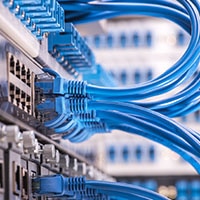
Structured cabling installation serves as the sturdy backbone of contemporary network infrastructure. It encompasses a comprehensive system of meticulously organized cabling and associated hardware, purposefully designed to furnish an unswerving and adaptable foundation for all your data and communication prerequisites. Its intrinsic merits lie in its unrivaled scalability, unwavering reliability, and impressive flexibility, rendering it an indispensable asset for a myriad of settings, including businesses and residences alike.
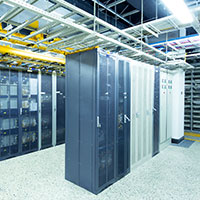
Cabling installation forms the backbone of any robust network infrastructure, consisting of essential components that work in harmony to ensure seamless data transmission. Horizontal and vertical cabling connect different parts of a building or campus, enabling communication between various devices. Patch panels act as intermediaries, facilitating the organization and management of cable connections, while termination points serve as endpoints where cables meet devices or other network components. Data centers, housing critical networking equipment, are the central hubs through which all network information flows. These diagrams provide a clear visual representation, making it easier to understand the complex interplay of these foundational elements.
Selecting the right cable type is crucial for maximizing the performance and reliability of your installation. This selection process involves understanding the distinct characteristics and advantages of various cable types. Cat5e cables are widely used for their affordability and capability to support speeds up to 1 Gbps, making them suitable for standard office networks. Cat6 cables, offering higher performance, can support speeds up to 10 Gbps over shorter distances, ideal for high-speed data applications. Fiber optic cables, on the other hand, excel in transmitting data over long distances without loss, supporting extremely high-speed data transmission, perfect for data centers and backbone connections. This guide aims to demystify these options, highlighting their respective strengths and ideal use cases.
The planning phase of your structured cabling installation is a critical process that requires careful consideration of various factors. Spatial constraints within the building or campus dictate how and where cables and equipment can be laid out, while budgetary considerations may influence the choice of materials and extent of the network. Importantly, planning must also take into account future needs, anticipating potential expansions or technology upgrades to avoid costly reconfigurations. This involves estimating future data traffic and incorporating flexibility in the design to accommodate growth. By addressing these considerations, you can ensure that your structured cabling infrastructure meets both current and future requirements, providing a scalable and efficient networking environment.
Before embarking on the cabling installation journey, it's essential to lay a solid foundation through meticulous preparatory steps. Comprehensive site surveys are the first crucial task, ensuring that every aspect of your environment is thoroughly assessed. This includes evaluating existing infrastructure, identifying potential obstacles, and taking precise measurements to plan cable routes effectively. Meticulous cable routing strategies are then developed, mapping out the optimal paths for cables to traverse, taking into account factors like minimizing interference and maximizing future accessibility. The judicious selection of requisite equipment follows, with a focus on choosing the right tools, materials, and hardware tailored to your specific installation needs. This meticulous groundwork ensures a smooth and efficient installation process.
The heart of the installation process involves a multifaceted endeavor that we break down into comprehensible steps. Cable pulling, the initial physical task, requires careful execution to prevent damage or strain on the cables. Meticulous termination procedures follow, ensuring that connectors are correctly attached to both ends of the cables for optimal connectivity. Exhaustive testing regimens are then employed to validate the integrity of the installation, including checks for signal quality, cable continuity, and compliance with industry standards. The final step involves certification, where documentation and verification of the entire installation are provided. This step-by-step approach ensures a methodical and error-free structured cabling installation , guaranteeing reliability and performance.
In this section, we conduct a comprehensive examination of the advantages and disadvantages associated with choosing professional cabling installation services versus embracing the allure of the DIY approach. Opting for professional installation brings the expertise of experienced technicians who ensure precision, compliance with industry standards, and a reliable network infrastructure. However, this comes with associated costs. On the other hand, the DIY approach appeals to those seeking cost savings and a hands-on experience but demands a significant investment of time, knowledge, and potential risks of errors. Weigh these factors against your specific requirements and make an informed decision.
The cornerstone of structured cabling installation's reliability lies in impeccable organization and labeling practices. These seemingly simple yet crucial steps pave the way for a network that operates flawlessly over time. Proper labeling ensures that each cable and connection point is clearly identified, making it effortless to trace and manage your cabling infrastructure. In the event of future maintenance or troubleshooting, having a well-organized and labeled system greatly reduces downtime and minimizes the risk of errors. It empowers technicians to swiftly identify and rectify issues, saving both time and resources.
In an era of rapid technological evolution, the ability to adapt and accommodate future upgrades is paramount. Highlighting the criticality of selecting a cabling installation system that possesses the innate capacity to seamlessly evolve with technological advancements is our foremost concern. Future-proofing your system safeguards your investment in the long run. By opting for a system designed for scalability and flexibility, you ensure that your network infrastructure can easily accommodate new technologies, higher bandwidth requirements, and increased data traffic. This strategic approach not only extends the lifespan of your installation but also minimizes the need for costly and disruptive overhauls in the future. It's a proactive measure to ensure your network stays competitive and reliable in the ever-changing digital landscape.
Troubleshooting structured cabling installations and networking issues can be daunting. However, with the right approach, many common problems can be identified and resolved efficiently. Here are some fundamental troubleshooting tips to guide you through the process:
By methodically working through these troubleshooting steps, you can identify and resolve many common issues encountered in cabling installations. Remember, patience and thoroughness are key in the troubleshooting process.
For those with a penchant for technical intricacies, we delve deep into advanced considerations that elevate your cabling installation to the next level. Grounding techniques, one of the cornerstones of a reliable network, are explored in detail. We'll discuss how proper grounding ensures safety, minimizes electrical interference, and enhances overall system performance. Additionally, we demystify crosstalk mitigation strategies, shedding light on how to reduce unwanted signal interference between cables, which can significantly impact data transmission quality. Moreover, in an increasingly interconnected world, network security is paramount. This section offers insights into critical network security considerations, equipping you to safeguard your data and infrastructure from cyber threats, ensuring a robust and secure network.
Structured cabling installation is not a one-size-fits-all solution; its versatility shines in various sectors. In this segment, we embark on a journey to explore its specific applications in diverse industries. Healthcare facilities benefit from structured cabling's ability to support cutting-edge medical equipment, telemedicine, and secure patient data transmission. In the realm of education, discover how structured cabling facilitates e-learning, campus-wide connectivity, and future-proofing for evolving teaching methodologies. For smart buildings, structured cabling forms the backbone of automation and IoT systems, enabling efficient energy management, intelligent security, and seamless occupant experiences. Uncover how structured cabling revolutionizes these fields, enhancing efficiency and connectivity.
Environmental consciousness is an imperative consideration in today's world. In this section, we emphasize the significance of eco-friendly practices and materials in cabling installations. Explore sustainable cable options, such as those made from recycled materials or with reduced environmental impact. Discover energy-efficient data centers and power-saving configurations that not only minimize operational costs but also contribute to a greener planet. We delve into strategies for responsible cable disposal and recycling, ensuring that your installation aligns with environmentally friendly principles. By adopting sustainable solutions, you not only reduce your ecological footprint but also promote sustainability in the digital age, making a positive impact on both your organization and the world at large.
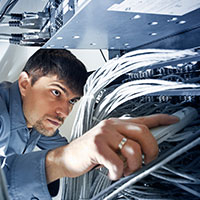
Structured cabling installation is the key to unlocking seamless connectivity and efficiency in your business or home. It promises order and future-proofing in an increasingly digital world. As you embark on your installation journey, remember that you're not just setting up wires; you're building a foundation for success.
Empower yourself with the knowledge and expertise provided in this guide, and transform your communication infrastructure. Together, with BCS Consultants, you can usher in a new era of connectivity. Call us at +1 949-333-1000 for more information.
FAQ1. What is structured cabling installation, and why is it important?
A. Structured cabling installation is a comprehensive system of organized cabling and hardware that forms the foundation of modern networks. It's vital because it provides scalability, reliability, and flexibility, ensuring efficient data and communication infrastructure for businesses and homes.
FAQ2. How can I future-proof my structured cabling installation?
A. To future-proof your system, choose cabling and equipment that can accommodate future upgrades and technology advancements. This ensures that your network remains competitive and adaptable in the fast-evolving digital landscape.
FAQ3. Why is labeling and organization crucial in structured cabling installation?
A. Impeccable labeling and organization simplify maintenance and troubleshooting. Clear identification of cables and connection points minimizes downtime and errors during future network maintenance, making it a pivotal aspect of a dependable structured cabling installation.
